 ·
2 minute read
When buying or leasing a car, you’ll hear all sorts of terms thrown around—APR, depreciation, residual value, and yes, GAP insurance. But what exactly is GAP insurance, and do you really need it? Let’s break it down so you can make an informed decision.
What is GAP Insurance?
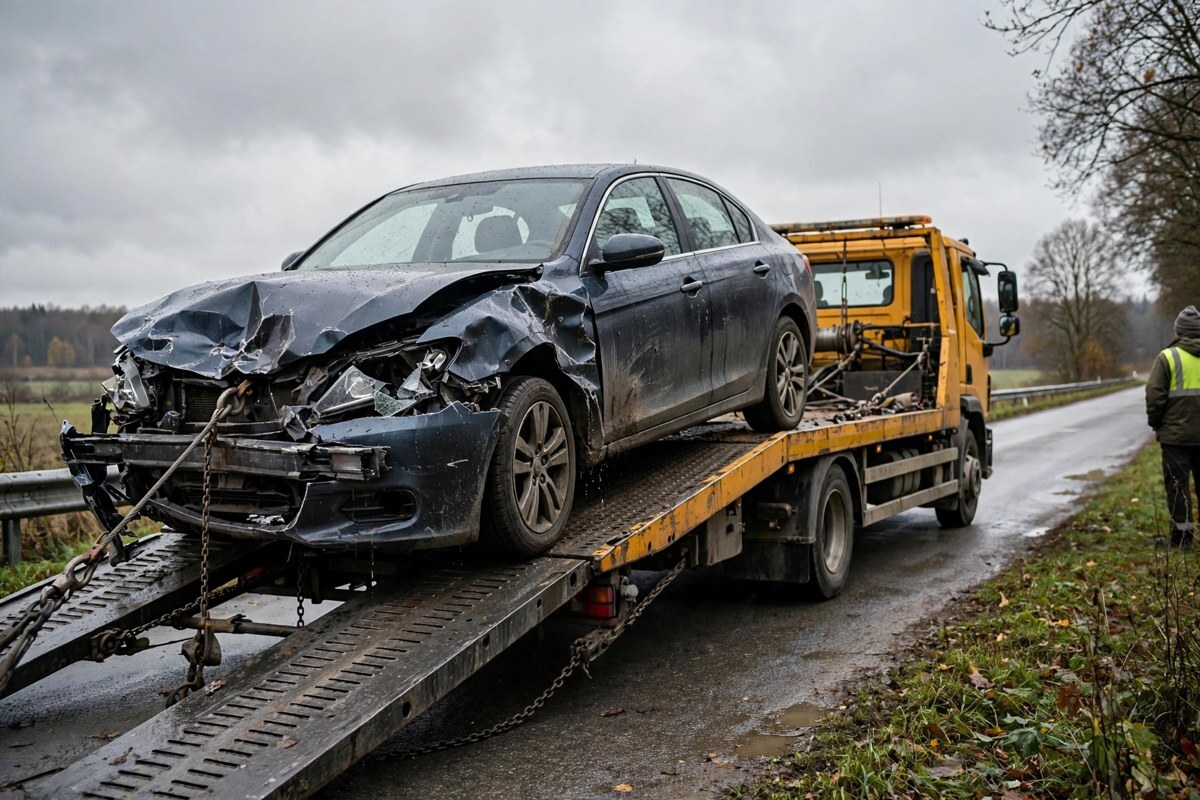
GAP stands for Guaranteed Asset Protection. It’s designed to cover the difference between your car’s actual cash value (ACV) and what you still owe on your loan or lease if the car is totaled or stolen.
Here’s a quick example:
-
You owe $20,000 on your vehicle loan
-
Your car’s ACV is $15,000 (according to the insurance company)
-
GAP insurance covers the $5,000 difference so you’re not stuck making payments on a car you can’t drive
Why Does GAP Insurance Exist?
Cars lose value quickly—sometimes faster than you can pay them off. This is especially true if you:
-
Roll negative equity from a previous loan into a new one
-
Lease a vehicle without GAP coverage automatically included
-
Take out a long-term loan (60–84 months) with little or no down payment
In these cases, it’s easy to end up “upside down” on your loan, meaning you owe more than the car is worth. If the vehicle is totaled or stolen, GAP protects you from writing a big check to the lender.
Who Needs GAP Insurance?
You should consider GAP insurance if:
-
You’re leasing (unless the lease already includes it—always check your contract)
-
You have a loan longer than 60 months
-
You put less than 20% down on your purchase
-
You rolled negative equity from a previous car into your new loan
Who Doesn’t Need GAP Insurance?
You can likely skip GAP if:
-
You paid cash for your car
-
You made a large down payment (20% or more)
-
You have a short-term loan (36 months or less) and your car’s value is stable
What GAP Insurance Won’t Cover
It’s important to understand that GAP insurance only covers the loan or lease balance gap. It won’t pay for repairs, maintenance, or regular accident coverage—that’s your standard auto insurance’s job.

Cost and Where to Get It
GAP insurance is surprisingly affordable—usually between $400 and $700 for the life of your loan. You can buy it from:
-
Your dealership (ask before signing loan documents)
-
Your auto insurance provider
-
Your lender
In Colorado, state regulations limit dealer markups, so GAP isn’t a huge profit center. In other states, it’s still worth shopping around for the best deal.
Final Thoughts
GAP insurance isn’t a scam—it’s a valuable safety net for certain buyers. If you’re in a situation where you could easily owe more than your car is worth, GAP can save you thousands of dollars and a major financial headache.
Before you sign your next lease or finance agreement, review your numbers and decide if GAP insurance makes sense for you. It’s a small cost for peace of mind when life throws you a curveball.